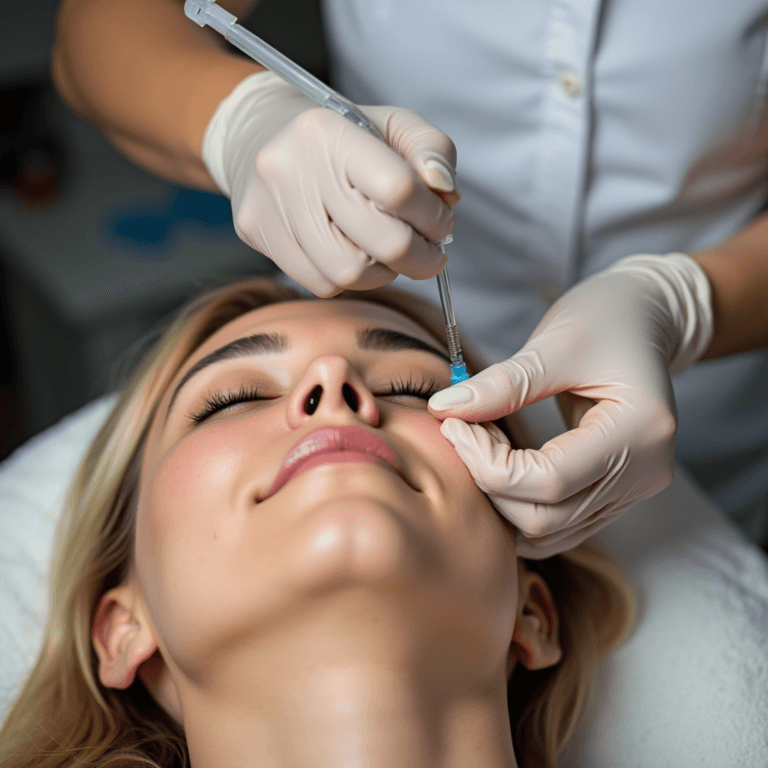


In the modern world of beauty, skin rejuvenation is no longer an unattainable dream. Thanks to advances in medical science, there are many non-surgical methods that help us restore youthful freshness and vitality to the face. Among these methods, two names stand out more than all others and are sometimes mistakenly used interchangeably: filler (gel) injections and Botox injections. These two are the most popular and widely used aesthetic treatments worldwide, yet they function in completely different ways. A common question raised by valued clients at Dr. Azam Khanzadeh’s Aesthetic Clinic is: what exactly is the difference between fillers and Botox, and which one is the smarter choice for addressing their specific concerns?
This article is a comprehensive, evidence-based guide that answers all your questions in clear and simple language. We take an in-depth look at the mechanism of action, precise applications, available types, ideal candidates, potential side effects, and—most importantly—essential pre- and post-treatment care. Our goal is to empower you with complete knowledge so you can make the best decision for the health and beauty of your unique face.
Understanding the Fundamental Difference: Muscle vs. Volume
The first and most essential step toward an informed choice is understanding how these two substances work differently. Imagine your face as a sheet of paper. Botox prevents the repeated “folding” of the paper that creates lines, while fillers smooth out and fill in the “indentations” and “thinned areas” on the paper. While both aim for rejuvenation, their biological targets are distinct.
Botox: The Specialist in Treating Dynamic Wrinkles
Botox, the well-known brand name for Botulinum Toxin Type A, is considered a neuromodulator. Its primary function is to temporarily block nerve signals sent from the brain to facial muscles that command them to contract. As a result, the targeted muscles relax temporarily. This action makes Botox Injection an exceptional tool for treating dynamic wrinkles—lines that form due to repeated facial muscle movements such as frowning, smiling, or expressing surprise.
- Frown Lines (Glabellar Lines): Vertical lines between the eyebrows that often create a stern or tired look.
- Forehead Lines: Horizontal lines that appear when raising the eyebrows.
- Crow’s Feet: Radiating lines around the eyes that appear when smiling or squinting.
By preventing muscle contraction, Botox keeps the overlying skin smooth and wrinkle-free. For this reason, it is also an excellent preventive method to stop these lines from becoming deeper and permanent over time. Many patients now opt for “preventative Botox” in their late 20s to maintain skin elasticity longer.
Fillers: Masters of Treating Static Wrinkles and Restoring Volume
Dermal fillers—commonly referred to as “gels”—are biocompatible substances designed to fill spaces, restore lost volume, and reshape areas of the face and body. Unlike Botox, which targets muscles, Dermal Fillers are injected directly beneath the skin to strengthen its structure, fill depressions, and improve facial contour. They are ideal for treating static wrinkles—lines that are visible even when the face is at rest and typically result from the natural loss of collagen, elastin, and subcutaneous fat with age.
- Nasolabial Folds (Smile Lines): Lines extending from the sides of the nose to the corners of the mouth.
- Marionette Lines: Lines running from the corners of the mouth down toward the chin.
- Under-Eye Hollows (Tear Trough): Depressions that create a tired appearance or dark circles.
The most common and popular fillers are based on hyaluronic acid, a molecule naturally found in the body that acts like a sponge to attract water, helping maintain skin hydration, volume, and vitality. For those seeking specific enhancements, Facial Filler treatments can provide immediate structural support.
The Remarkable Applications of Botox—Beyond Frown Lines
Fast effectiveness and minimal downtime have made Botox one of the most sought-after aesthetic procedures worldwide. However, its applications extend far beyond what many people imagine, touching both cosmetic and therapeutic realms.
Cosmetic Uses of Botox
- Chemical Brow Lift: Precise injections into brow-depressing muscles subtly lift the tail of the eyebrows, giving the eyes a more open and youthful appearance.
- Correction of Gummy Smile: Relaxing the muscles that elevate the upper lip prevents excessive gum exposure when smiling.
- Jawline Slimming and Bruxism Treatment (Masseter Botox): Injecting the masseter muscle not only narrows the lower face and creates a V-shaped jawline but also effectively treats teeth grinding.
- Bunny Lines: Wrinkles that appear on the nose when scrunching it.
- Neck Bands: Relaxing the platysma muscle bands in the neck for a smoother profile.
Therapeutic Uses of Botox
It is important to note that Botox is approved by reputable global health organizations for medical treatments such as excessive sweating (hyperhidrosis) in the underarms and palms, chronic migraines, and certain muscular spasms. This versatility highlights the safety profile of the toxin when administered by a qualified professional.
The Diverse World of Fillers—The Art of Facial Sculpting
Fillers are the artistic tools of a skilled and experienced physician. Their versatility allows for natural, subtle, yet striking changes to the face. Fillers do not merely fill wrinkles—they recreate facial structure and harmony.
Main Applications of Fillers
- Lip enhancement and shaping: For fuller, symmetrical, and well-defined lips. Using Lip Filler can also correct age-related thinning.
- Cheek enhancement and lifting: Restoring volume to the midface, resulting in an indirect lift and reduced tired appearance.
- Jawline and chin contouring: Creating a defined, angular jawline and shaping the chin to improve facial profile. Chin Filler is particularly effective for balancing a recessed profile.
- Non-surgical nose reshaping (Liquid Rhinoplasty): A quick, non-invasive method to correct a nasal hump or drooping tip.
- Temple and hand rejuvenation: Restoring volume to sunken temples and the backs of the hands to conceal signs of aging.
Types of Dermal Fillers
While hyaluronic acid fillers (such as Juvederm and Restylane) are the most common due to their safety and reversibility, other types exist for specific goals:
- Calcium Hydroxylapatite (CaHA): A thicker filler (e.g., Radiesse) that provides immediate volume and stimulates natural collagen production.
- Poly-L-lactic Acid (PLLA): A collagen biostimulator (e.g., Sculptra) that encourages the skin to produce new collagen gradually over several months.
Botox vs. Fillers: A Side-by-Side Comparison
| Feature | Botox (Neuromodulator) | Dermal Fillers |
|---|---|---|
| Primary Goal | Relax muscles to smooth lines | Add volume and fill depressions |
| Wrinkle Type | Dynamic (movement-based) | Static (present at rest) |
| Common Areas | Forehead, eyes, frown lines | Lips, cheeks, smile lines, chin |
| Results Onset | 3 to 7 days (Full effect at 14 days) | Immediate (Settles in 2 weeks) |
| Longevity | 3 to 6 months | 6 to 24 months (varies by type) |
| Reversibility | Not reversible (must wear off) | HA fillers are reversible with Hyaluronidase |
The Rise of “Prejuvenation”: Botox and Fillers in Your 20s
In recent years, a significant trend has emerged: younger individuals seeking aesthetic treatments to prevent the signs of aging before they become prominent. This is often called “prejuvenation.” By starting low-dose Botox in the late 20s or early 30s, patients can prevent deep static wrinkles from forming, as the skin is never allowed to “crease” repeatedly. Similarly, subtle fillers can maintain facial contours that might otherwise begin to sag due to early collagen loss. At Dr. Azam Khanzadeh Clinic, we emphasize a “less is more” approach for younger patients to ensure results remain entirely natural.
Aesthetic Treatments for Men: The “Brotox” Phenomenon
Cosmetic procedures are no longer exclusive to women. More men are seeking Botox and fillers to maintain a competitive edge in the workplace and boost self-confidence. For men, the goal is often different; while women may seek softer, rounded features, men typically aim for a sharper jawline and a refreshed, well-rested look without looking “done.” Botox can soften deep forehead furrows that make a man look angry or stressed, while jawline fillers can enhance a masculine, chiseled appearance.
Risk Management and Safety Guidelines
When performed by an experienced physician in a reputable clinic using standard products, both Botox and fillers are very safe. However, awareness of potential side effects is part of informed decision-making.
Potential Side Effects
- Botox: Mild pain, redness, or bruising at the injection site. Rare cases may involve temporary eyelid drooping if the product migrates, which is why choosing a skilled injector is vital.
- Fillers: Swelling and bruising are common for a few days. A rare but serious risk is vascular occlusion (filler entering a blood vessel), which requires immediate medical intervention.
Contraindications
These procedures are not recommended for individuals who are pregnant or breastfeeding, those with certain neuromuscular disorders (like Myasthenia Gravis), or those with active skin infections at the injection site. A full medical history must be disclosed during your consultation.
Care Guidelines for Optimal Results
Pre-Treatment Care
- Avoid blood thinners (aspirin, ibuprofen, vitamin E, fish oil) for at least one week prior to minimize bruising.
- Avoid alcohol for 24–48 hours before your appointment.
- Ensure your skin is clean and free of makeup on the day of the procedure.
Post-Treatment Care
- For Botox: Stay upright for 4 hours and avoid intense exercise or heat (saunas) for 24 hours. Do not massage the treated area.
- For Fillers: Use cold compresses to manage swelling. Avoid sleeping on your face for the first few nights and stay hydrated to help hyaluronic acid fillers settle effectively.
Combination Therapy: The Liquid Facelift
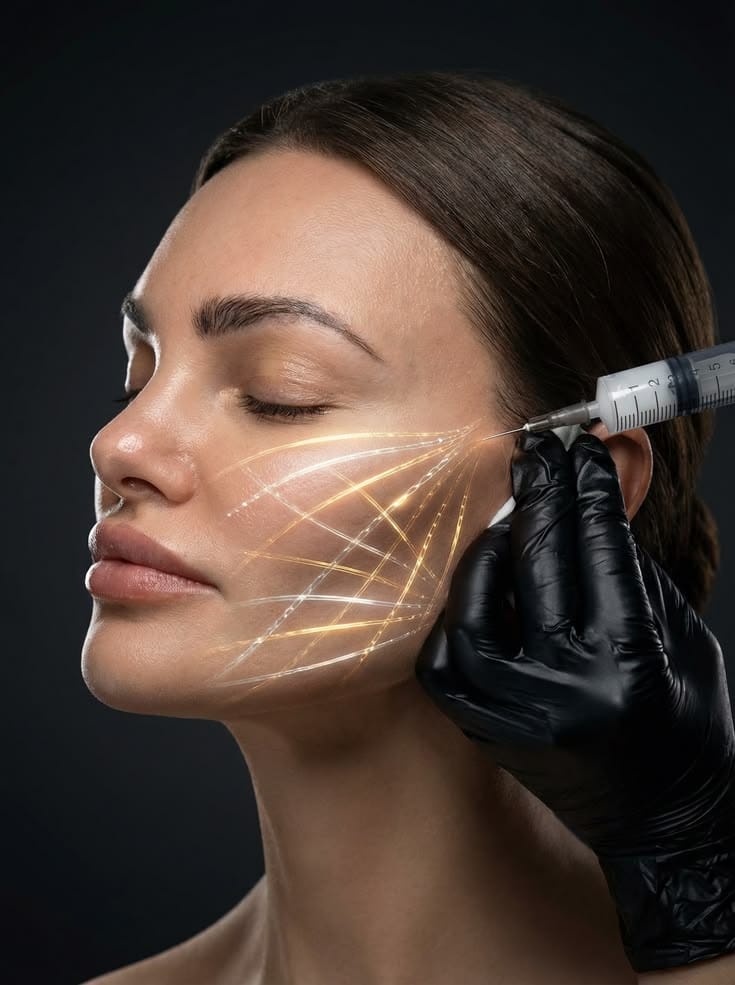
One of the most advanced rejuvenation approaches is the strategic combination of Botox and fillers, often called a liquid facelift. Aging is multifaceted, involving both muscle movement and volume loss. At Dr. Azam Khanzadeh Clinic, combination therapy addresses all aspects simultaneously. For example, we might smooth crow’s feet with Botox while restoring cheek volume with fillers. In some cases, we may also recommend HIFU Therapy to tighten the deeper layers of the skin, providing a comprehensive, non-surgical rejuvenation.
Frequently Asked Questions (FAQ)
1. Which one should I get first, Botox or fillers?
This depends entirely on your primary concern. If you are bothered by lines that appear when you move your face (like frowning), Botox is usually the first step. If you feel your face looks “sunken” or has deep folds even when relaxed, fillers may be the priority. Often, both are done in the same session for a balanced result.
2. Do the injections hurt?
Most patients describe the sensation as a quick pinch. For Botox, the needles are extremely fine. For fillers, we often use topical numbing creams or fillers that contain lidocaine (an anesthetic) to ensure maximum comfort during the procedure.
3. How long do I have to wait to see results?
Fillers provide immediate results, though there will be some initial swelling. Botox takes time to work on the nerves; you will start to see a change in 3–5 days, with the full effect visible at the 14-day mark.
4. Can fillers be removed if I don’t like them?
Yes, if they are hyaluronic acid-based fillers. An enzyme called hyaluronidase can be injected to dissolve the filler almost instantly. Botox, however, cannot be reversed and must be allowed to wear off naturally over 3–4 months.
5. Will I look “fake” or “frozen”?
Not if the treatment is performed correctly. The goal of a skilled physician like Dr. Khanzadeh is to enhance your natural features. Modern techniques focus on “baby Botox” and subtle filler placement to maintain facial expression and harmony.
6. How often do I need maintenance?
Botox typically requires maintenance every 3–6 months. Fillers last longer, usually requiring a touch-up every 12–18 months, depending on the area treated and your metabolism.
The Importance of Choosing the Right Physician
The most important factor in your results is not the brand of product but the physician’s knowledge, skill, and artistic vision. Botox and filler injections are medical procedures requiring a deep understanding of facial anatomy. At Dr. Azam Khanzadeh Aesthetic Clinic, we believe in personalized treatment plans. During your consultation, we analyze your facial structure and listen to your goals to recommend the most effective path forward.
For more information about our expertise, you can visit our About Us page or Contact Us to book a professional consultation.
Final Conclusion
Botox and fillers are two powerful, complementary tools in facial rejuvenation. Botox controls muscle movements that cause wrinkles, while fillers restore lost volume and fill static lines. The best choice depends on your individual needs, facial anatomy, and aesthetic goals. Understanding the differences is the first step; a professional consultation with an experienced physician is the final and essential one. With proper guidance, you can safely and confidently achieve a younger, fresher, and natural-looking appearance.