
Facial Contouring in Mashhad | A Balanced, Natural Look
A tailored approach to facial balance with dermal fillers, guided by anatomy, realistic goals and an individual medical assessment.
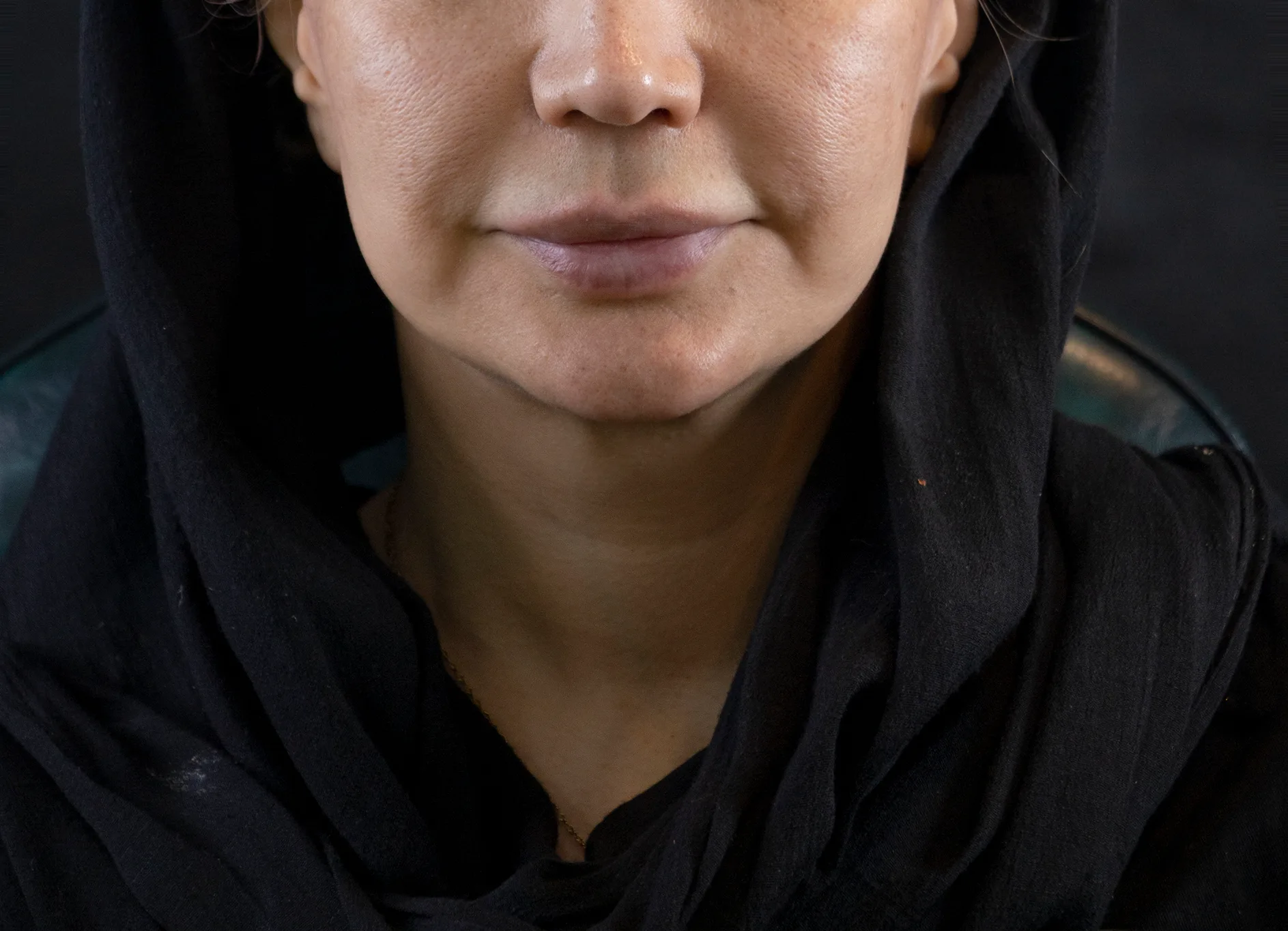
Understanding the procedure
Non-surgical facial contouring may use dermal fillers to support selected areas, such as the cheeks or chin. It cannot replace skeletal surgery or guarantee symmetry. The appropriate technique, if any, depends on facial anatomy, tissue quality and the patient’s medical history.
What to expect
Potential improvements include subtle contour support or correction of volume deficits. Swelling can obscure the early result. Duration varies with the material, area and individual factors.
What matters in your assessment
Profile assessment
Front, three-quarter and side views help inform the treatment plan.
Conservative volume
Avoiding unnecessary filler is part of natural-looking planning.
Whole-face harmony
Cheek, chin and jawline proportions should be considered together.
Is this treatment right for you?
Potentially suitable
- Adults with specific volume or contour concerns
- Patients with realistic expectations and appropriate anatomy
- People willing to discuss alternatives and treatment risks
When extra caution is needed
- Significant skin laxity or skeletal concerns better addressed differently
- Active infection or important filler-related medical risks
- Expectations of guaranteed symmetry or permanent results
From consultation to follow-up
Consultation
Discuss goals, medical history and previous treatments.
Facial mapping
Assess shape, proportions and relevant anatomical risks.
Individualised procedure
Proceed only if the clinician confirms suitability.
Follow-up
Review healing, balance and any concerns.
What to expect
Potential improvements include subtle contour support or correction of volume deficits. Swelling can obscure the early result. Duration varies with the material, area and individual factors.
Related clinical imagery
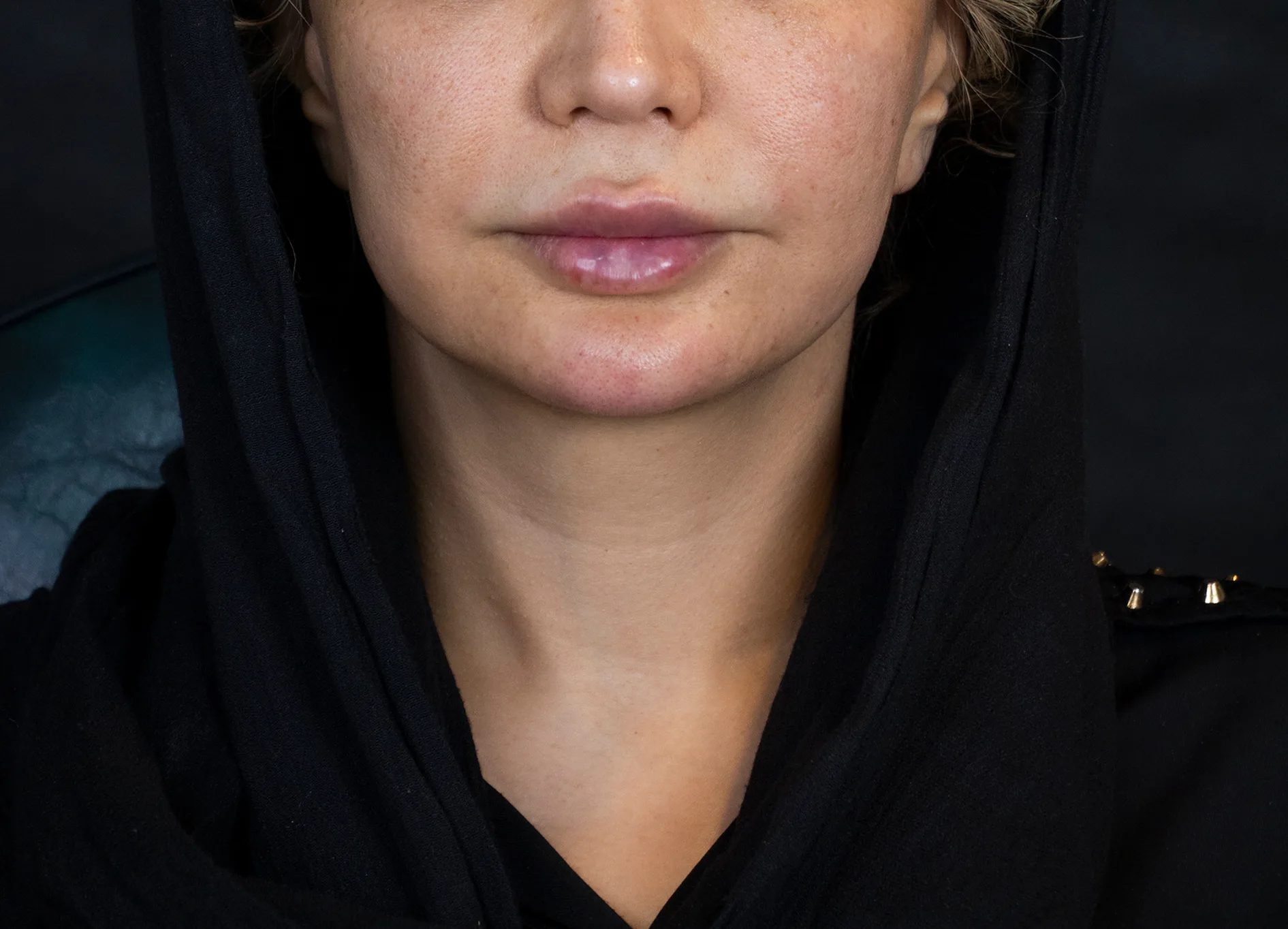
Images are sourced from content already published on the clinic website. Educational imagery does not establish outcomes or guarantee results.
Aftercare
Before the procedure
Disclose medications, allergies, prior fillers and any health conditions. Do not stop prescribed medication without medical advice.
Aftercare
Follow the clinician’s aftercare plan and do not press or massage treated areas unless instructed. Sudden unusual pain, skin discoloration, vision changes or neurological symptoms require urgent emergency care.
Risks and warning signs
Swelling, bruising, lumps and infection can occur. Inadvertent injection into a blood vessel can rarely cause tissue injury, blindness or stroke.
What affects the price?
Cost depends on the chosen product, amount and medical complexity; a reliable quote requires assessment.
Medical assessment and treatment planning
At Dr. Azam Khanzadeh’s clinic, any treatment decision should follow an in-person assessment of anatomy, medical history, expectations and potential risks. This page provides general information, not individual medical advice.
Frequently asked questions
No. Injectables cannot reproduce the full structural changes of surgery.
Perfect symmetry is not realistic. The objective is balanced improvement.
Cheeks, chin and other suitable regions, subject to clinical assessment and product indications.
Yes. Vascular occlusion is uncommon but may be severe.
Pricing depends on the approved treatment plan and amount of product.
Explore related services
Start with an individual consultation
The appropriate technique and treatment plan are confirmed only after a clinical assessment.
For general education only; not a substitute for medical assessment.