

HIFU vs. Botox: Which Non-Surgical Anti-Aging Treatment Is Right for You?
Modern aesthetic medicine has transformed the way we approach facial aging. Today, achieving a youthful, refreshed appearance no longer requires surgery or prolonged downtime. Among the most powerful and widely requested non-surgical anti-aging treatments are HIFU (High-Intensity Focused Ultrasound) and Botox. While both are clinically proven and globally trusted, they work in fundamentally different ways and address distinct signs of aging.
The question is no longer whether HIFU or Botox works — the real question is which treatment is right for you, or whether a strategic combination delivers the best outcome. At the Dr. Azam Khanzadeh Beauty Clinic, treatment selection is guided by facial anatomy, skin biology, and long-term aesthetic harmony rather than trends or one-size-fits-all solutions.
Understanding Facial Aging: Why One Treatment Is Rarely Enough
Facial aging is a multi-dimensional biological process. To make an informed decision between HIFU and Botox, it is essential to understand how and where aging occurs.
1. Dynamic Wrinkles (Expression-Related Aging)
Dynamic wrinkles are formed by repetitive muscle movement. Smiling, frowning, squinting, and raising the eyebrows cause the skin to fold repeatedly in the same areas. Over time, these folds become etched into the skin.
- Crow’s feet around the eyes
- Horizontal forehead lines
- Glabellar “11” lines between the brows
2. Static Wrinkles (Structural Skin Aging)
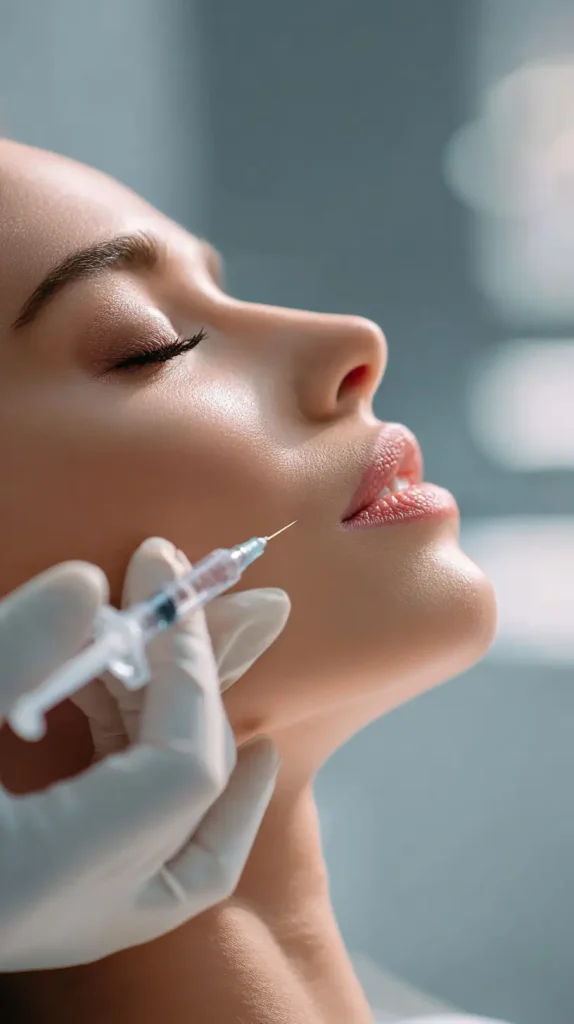
As collagen, elastin, and hyaluronic acid naturally decline, the skin loses its ability to rebound. Lines that were once visible only during expression become present even when the face is at rest. For these concerns, treatments like dermal fillers or biorevitalizing injections are often considered.
3. Skin Laxity and Facial Sagging
The most profound sign of aging is the gradual weakening of the skin’s support system. Collagen loss, gravity, fat pad descent, and weakening of the SMAS layer lead to:
- Jowls and jawline blurring
- Neck laxity
- Drooping brows
- Loss of facial definition
Botox primarily addresses dynamic wrinkles. HIFU targets structural laxity. Understanding this distinction is the foundation of an effective anti-aging strategy.
HIFU Explained: Non-Surgical Lifting at the Structural Level
HIFU is a cutting-edge, non-invasive technology designed to lift, tighten, and firm the skin by stimulating the body’s natural collagen production at deep anatomical layers.
How HIFU Works: The Science Behind Skin Tightening
HIFU uses focused ultrasound energy to reach depths of up to 4.5 mm beneath the skin, targeting the SMAS layer — the same layer addressed during surgical facelifts. This energy creates precise thermal coagulation points without damaging the surface of the skin.
The controlled heat (60–70°C) triggers a regenerative response known as neocollagenesis. Over the following weeks and months, the body produces new collagen and elastin fibers, leading to progressive lifting and tightening.
Key Benefits of HIFU
- Visible lifting of the jawline and lower face
- Tightening of neck and submental area
- Natural brow elevation
- Improved facial contours
- Long-lasting results (up to 12–24 months)
- No needles, no downtime
Ideal Candidates for HIFU
HIFU is most effective for individuals with mild to moderate skin laxity, typically between the late 30s and early 60s. It is particularly suitable for patients seeking natural rejuvenation without injectables or surgery.
Botox Explained: Precision Smoothing for Expression Lines
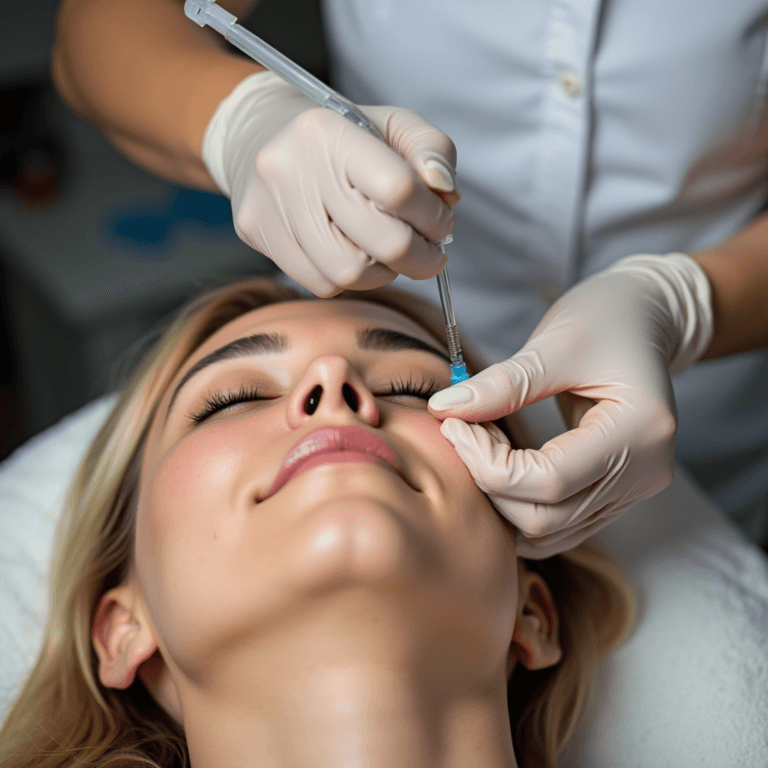
Botox (Botulinum Toxin Type A) is a neuromodulator that temporarily relaxes specific facial muscles responsible for expression-related wrinkles. For those seeking professional Botox injections, precision is key to maintaining a natural look.
How Botox Works
Botox blocks nerve signals at the neuromuscular junction, preventing muscle contraction. When the muscle relaxes, the overlying skin smooths, allowing wrinkles to soften or disappear.
At the Dr. Azam Khanzadeh Clinic, Botox is administered with a micro-dosing philosophy to preserve natural facial expression while achieving refinement.
Key Benefits of Botox
- Effective smoothing of dynamic wrinkles
- Fast visible results (3–14 days)
- Prevention of deep wrinkle formation
- Non-surgical and quick treatment
- Proven safety record spanning decades
Ideal Candidates for Botox
Botox is ideal for individuals of any adult age who are concerned with expression lines, a tired or angry appearance, or wish to prevent early signs of aging.
HIFU vs. Botox: A Clinical Comparison
| Aspect | HIFU | Botox |
|---|---|---|
| Primary Target | Skin laxity and collagen loss | Muscle-induced wrinkles |
| Mechanism | Ultrasound-induced collagen remodeling | Muscle relaxation |
| Best Areas | Jawline, neck, cheeks, brows | Forehead, eyes, frown lines |
| Onset of Results | Gradual (2–6 months) | Rapid (3–14 days) |
| Longevity | 1–2 years | 3–4 months |
The Power of Combination: Why HIFU and Botox Work Best Together
For comprehensive facial rejuvenation, combining HIFU and Botox often yields superior results. HIFU rebuilds structural support, while Botox refines surface expression lines. This synergistic approach is often discussed during a consultation to ensure a balanced outcome.
Strategic Treatment Protocol
- HIFU first: Lift, tighten, and restore facial structure.
- Botox second: Smooth expression lines and prevent wrinkle progression.
This layered approach creates balanced, natural rejuvenation without overcorrection.
Safety, Contraindications, and Medical Integrity
Both treatments are highly safe when performed by experienced medical professionals. However, neither is suitable for every patient.
HIFU Contraindications
- Severe skin laxity requiring surgery
- Active skin infections
- Metal implants in treatment area
Botox Contraindications
- Pregnancy or breastfeeding
- Neuromuscular disorders
- Allergy to botulinum toxin components

Choosing the Right Treatment at Dr. Azam Khanzadeh Clinic
Every face tells a different story. At the Dr. Azam Khanzadeh Beauty Clinic, treatment decisions are based on in-depth facial analysis, muscle dynamics, skin quality, and long-term aging patterns. We invite you to book an appointment to discuss your aesthetic goals.
True aesthetic excellence is not about erasing age — it is about restoring balance, structure, and confidence.
Frequently Asked Questions (FAQ)
Is HIFU better than Botox? Neither treatment is universally better. HIFU addresses skin laxity, while Botox treats expression lines. The best option depends on your primary concern.
Can HIFU replace Botox? No. HIFU does not relax muscles, so it cannot replace Botox for dynamic wrinkles.
How long do results last? HIFU results can last up to two years. Botox typically lasts 3–4 months.
Can both treatments be done together? Yes. Combining HIFU and Botox provides comprehensive rejuvenation.
Is there downtime? Both treatments have minimal to no downtime when performed correctly.
References
- American Academy of Dermatology: Botox Injections
- National Center for Biotechnology Information: High-Intensity Focused Ultrasound for Skin Tightening